

Teaching Excellence Award

Teaching Excellence Award
Aims
- The Teaching Excellence Award is aimed at fostering a culture of teaching excellence by recognizing and rewarding outstanding and innovative teaching practices. Moreover, the award provides a valuable platform for showcasing effective and creative teaching methods that can inspire and inform the wider academic community. The Teaching Excellence Award also encourages peer learning among teachers, promoting collaboration and the sharing of best practices to enhance teaching quality across the university. Ultimately, the award is intended to improve students' learning experiences by highlighting and celebrating exceptional teaching practices that have been shown to enhance student learning outcomes.
Eligibility
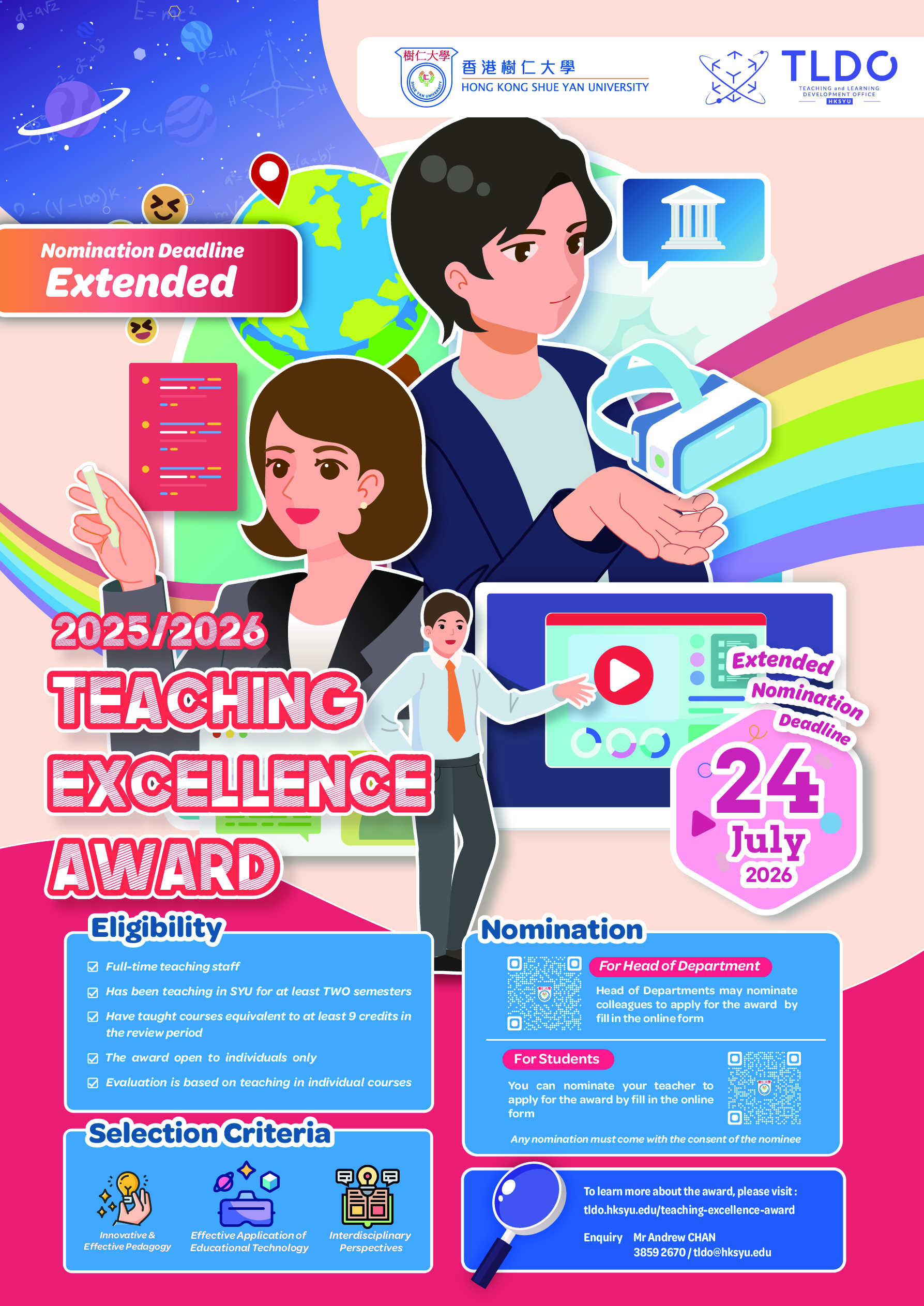
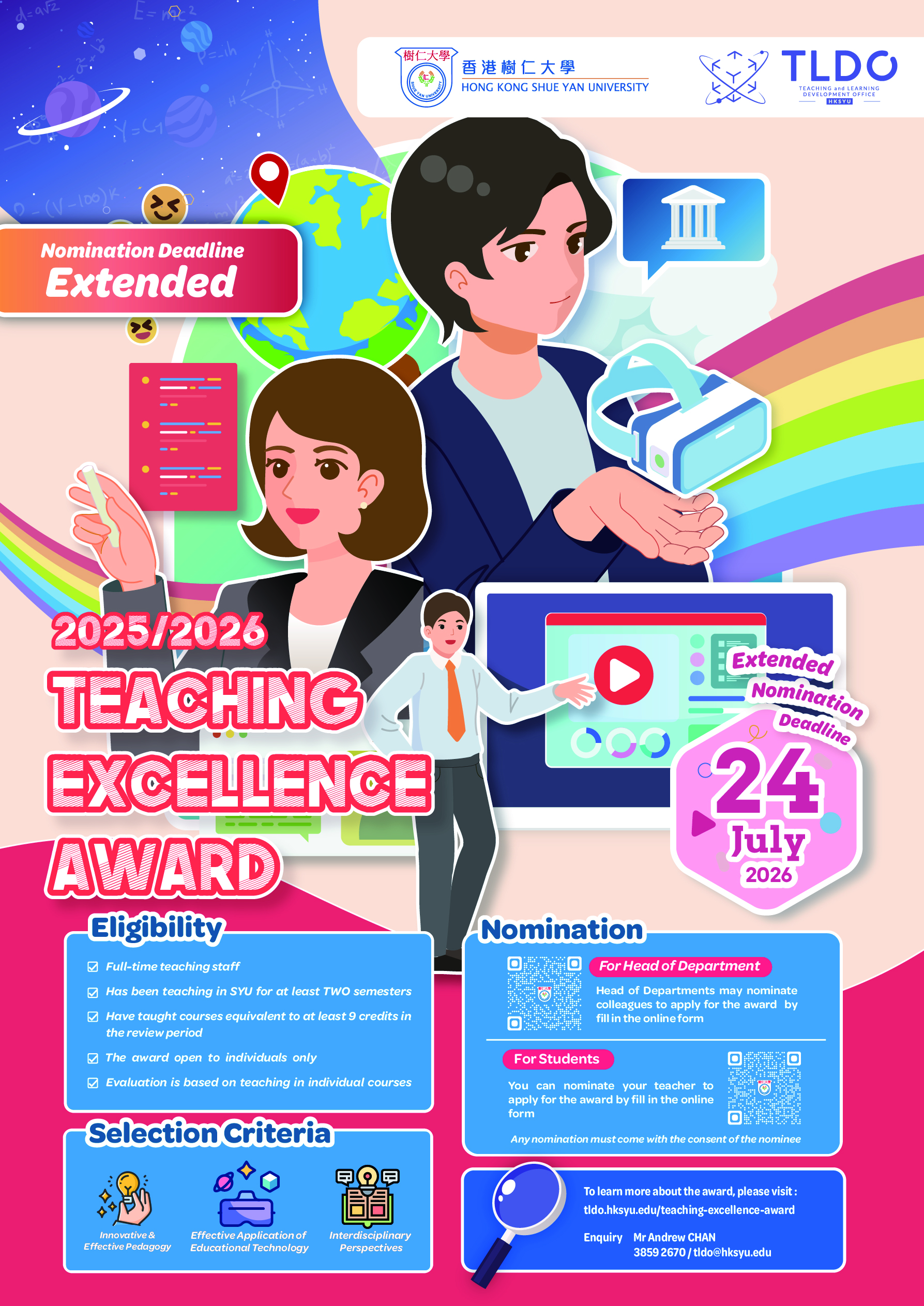
- 1. Full-time teaching staff in HKSYU
- 2. Teach in HKSYU for at least two semesters
- 3. Have taught at least courses (for 9 credits) in the review period (including both undergraduate and postgraduate courses, departmental core courses, elective courses, and GE courses)
- 4. Open to individuals only, team teaching is not considered
- 5. Evaluation is based on teaching in individual courses
Selection Criteria
The selection criteria for the Teaching Excellence Award are:
1. Innovative and effective pedagogy
- - Able to go beyond traditional teaching methods to adopt cutting-edge teaching and assessment approaches that can better facilitate students’ learning
- - Effectively engage students in deep learning
2. Effective application of educational technology
- - Being able to select and apply appropriate educational technology to enhance classroom interaction, motivate students’ interest, or improve the quality of feedback and assessment
3. Interdisciplinary perspectives
- - Effective support students to synergize perspectives from multiple disciplines to analyze a topic
2024/25 Teaching Excellence Award Winner
|
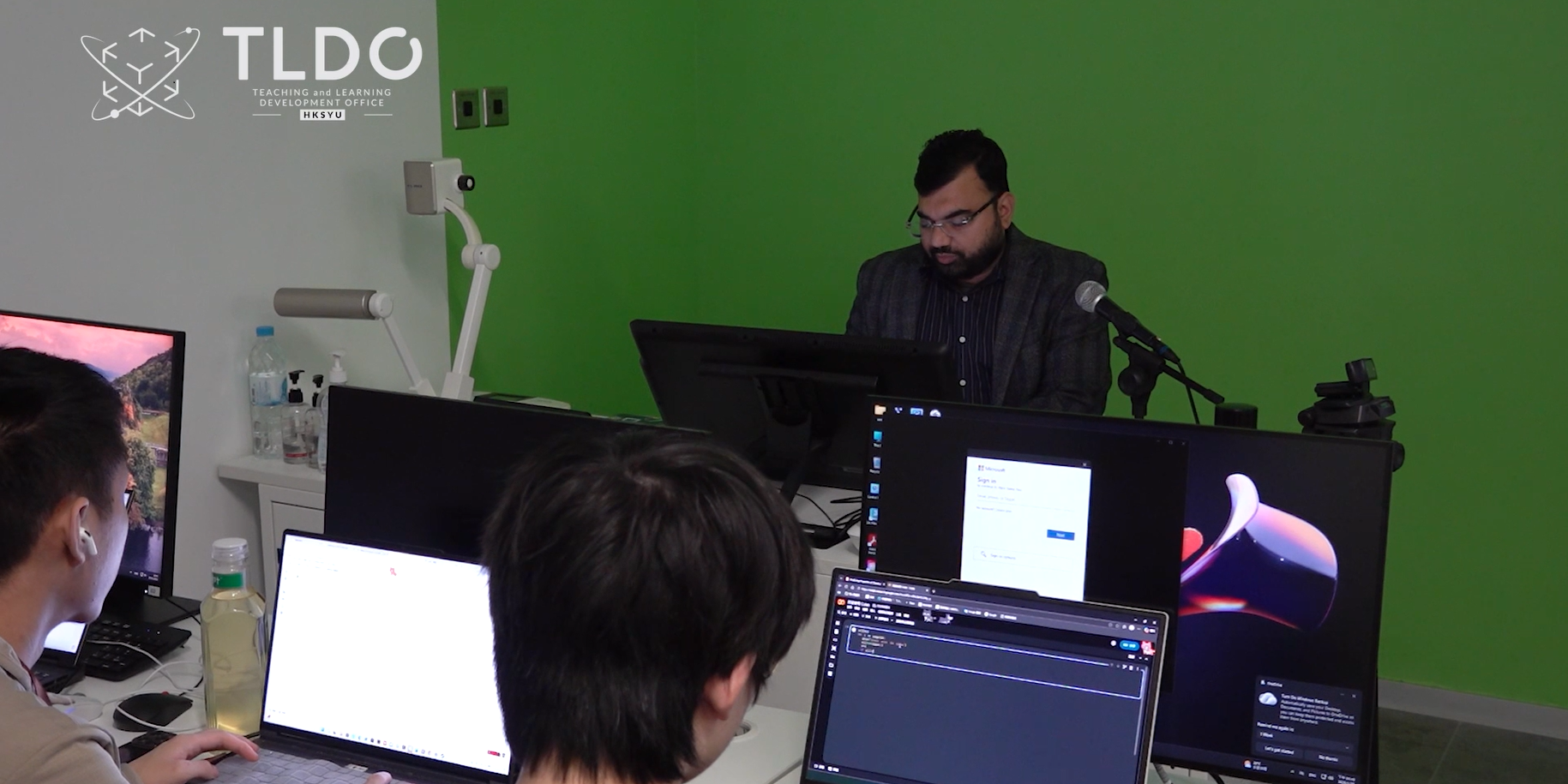
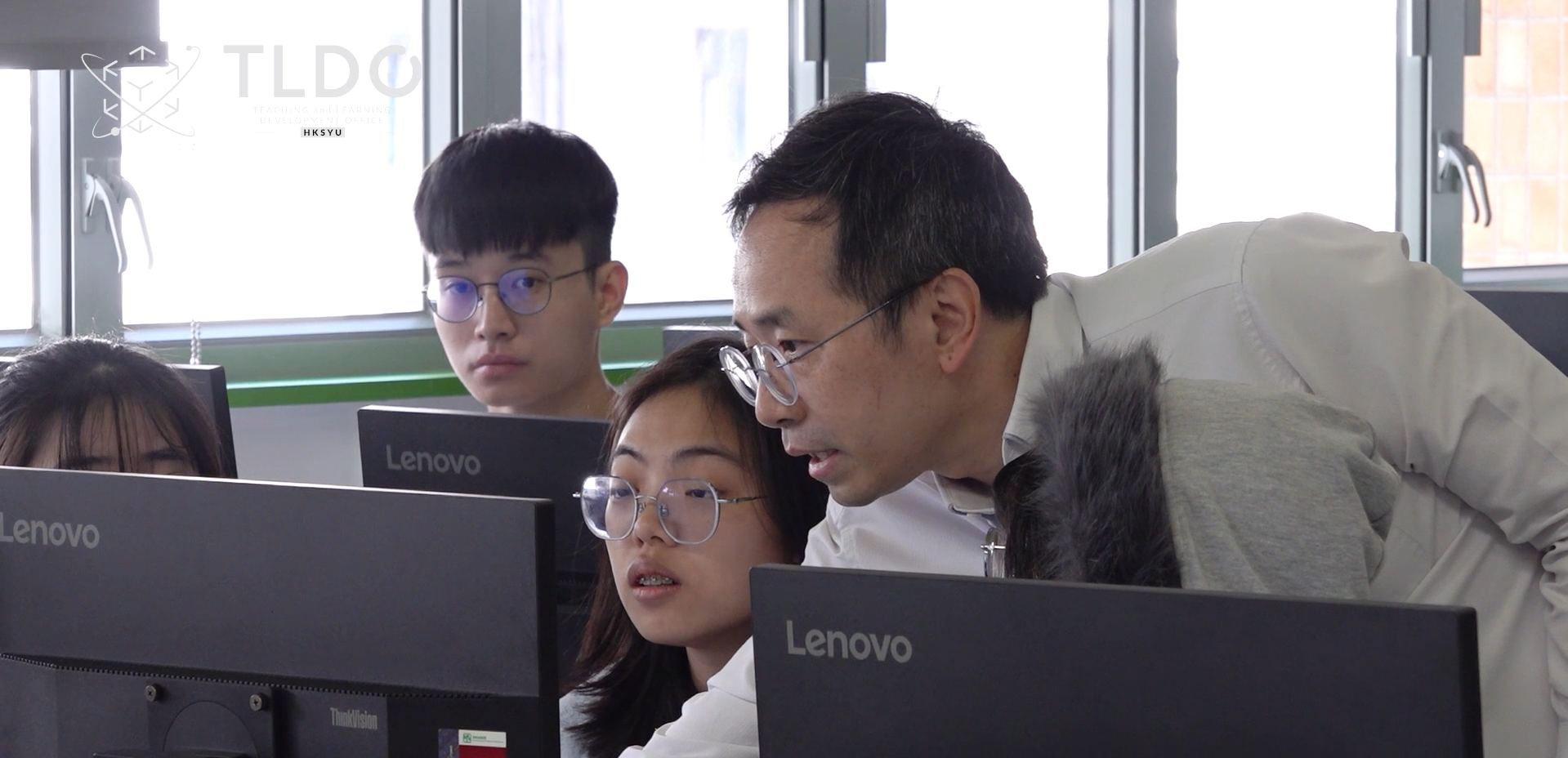
Dr. Muhammad, AZHAR Department of Applied Data Science Dr. Azhar enhances data science education by integrating real-life data collection from the Shue Yan University campus into his coding courses. He designs assignments that require students to gather authentic, observable data—such as the number of campus buildings, floors, gym facilities, and canteens—using official university sources and on-site observation. This grounds learning in a familiar environment and helps students understand how real datasets are formed.
In class, students transform the collected campus data into structured datasets and use Python to clean, analyze, and visualize the information. Coding activities are hands-on, with students encouraged to ask questions freely and discuss issues such as data accuracy, consistency, and limitations. These exercises mirror real industry workflows rather than relying on artificial or pre-generated data.
Through this approach, Dr. Azhar addresses the challenges of Generative AI by ensuring students engage deeply with genuine data. His method shifts learning from passive coding practice to active problem-solving, strengthening practical skills, critical thinking, and responsible AI use. |
|
|
2024/25 Outstanding Teaching Showcase
|
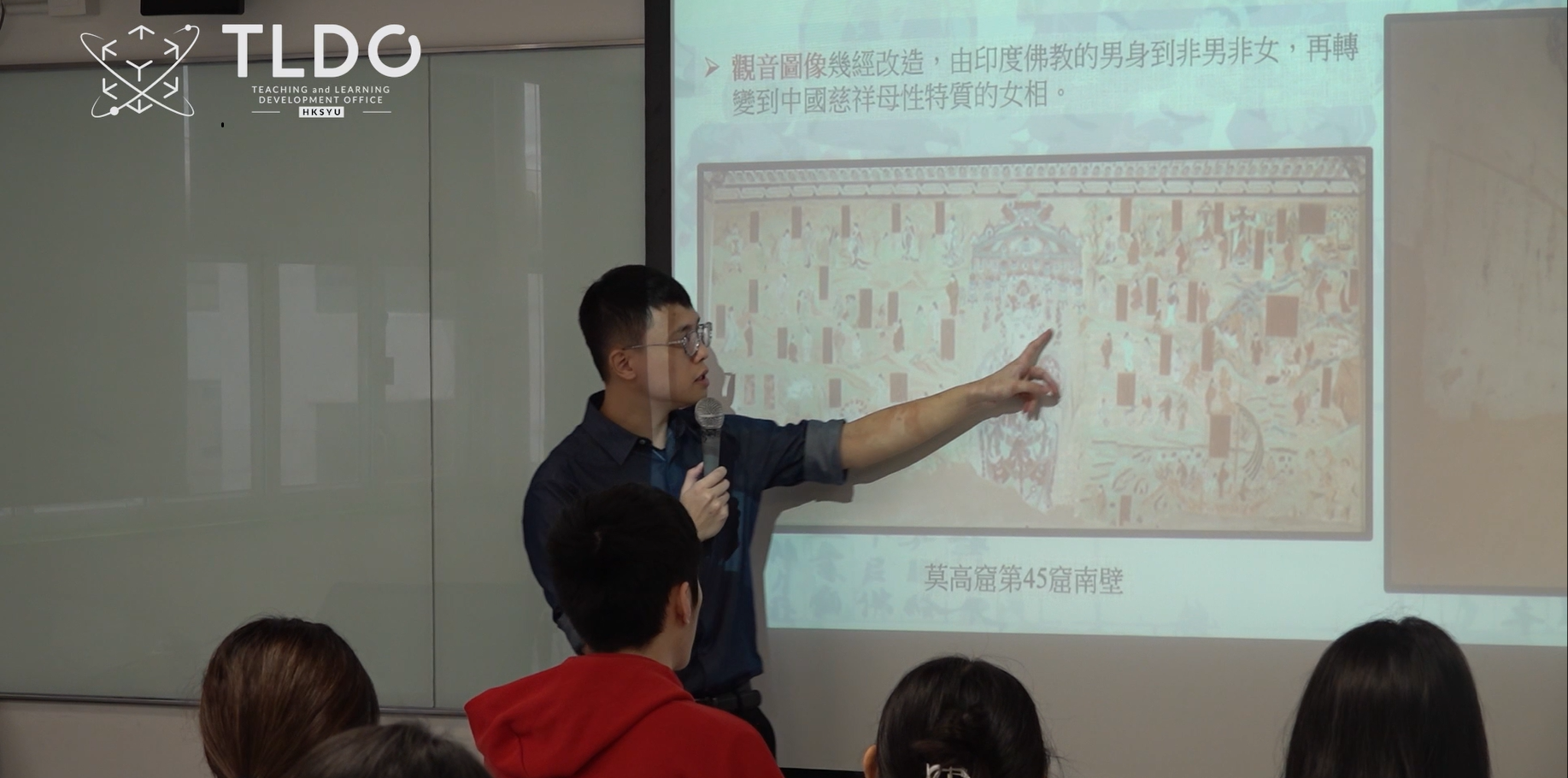
Dr. CHAU, Ka-Chun Charles Department of Chinese Language and Literature Dr. Chau uses a student-centered approach to teaching Dunhuang studies. He actively integrates high-quality online resources, such as international digital archives and virtual museum platforms, to enrich students’ learning experiences and broaden their exposure beyond the classroom. These tools help bridge geographical limitations and enhance the academic depth and accessibility of the course.
In teaching Dunhuang studies, Dr. Chau emphasizes the practical application of prior learning. He encourages students to apply theoretical knowledge and skills gained from philology, bibliology, and textual analysis, ensuring continuity with earlier studies. Through regular revision of teaching methods and materials, Dr. Chau reflects on course content in a timely manner and continuously improves teaching quality and learning outcomes.
Dr. Chau extends learning beyond the classroom by leading a study trip to Dunhuang, where students participated in internships at the Mogao Caves and served as short-term docents. This experience inspired students and affirmed the meaningful impact of Dr. Chau’s teaching beyond the classroom.
|
|
|
|
Dr. FU, Wai Department of Counselling and Psychology Dr. Fu enhances his teaching on psychology and research-related subjects with a strong historical and theoretical foundation. He emphasizes reading original texts and uses stories, classical works, and historical context to deepen students’ understanding and engagement. By connecting theories with real-life examples, Dr. Fu helps students apply abstract concepts meaningfully.
Dr. Fu also adapts his teaching to diverse student backgrounds, particularly at the postgraduate level, enhancing learning quality through comparative and inclusive approaches. In response to technological developments, especially AI, Dr. Fu guides students to exercise sound judgment rather than rely on ready-made answers. Dr. Fu’s inspiring lifelong learning reflects his dedication to high-quality education.
|
|
|
|
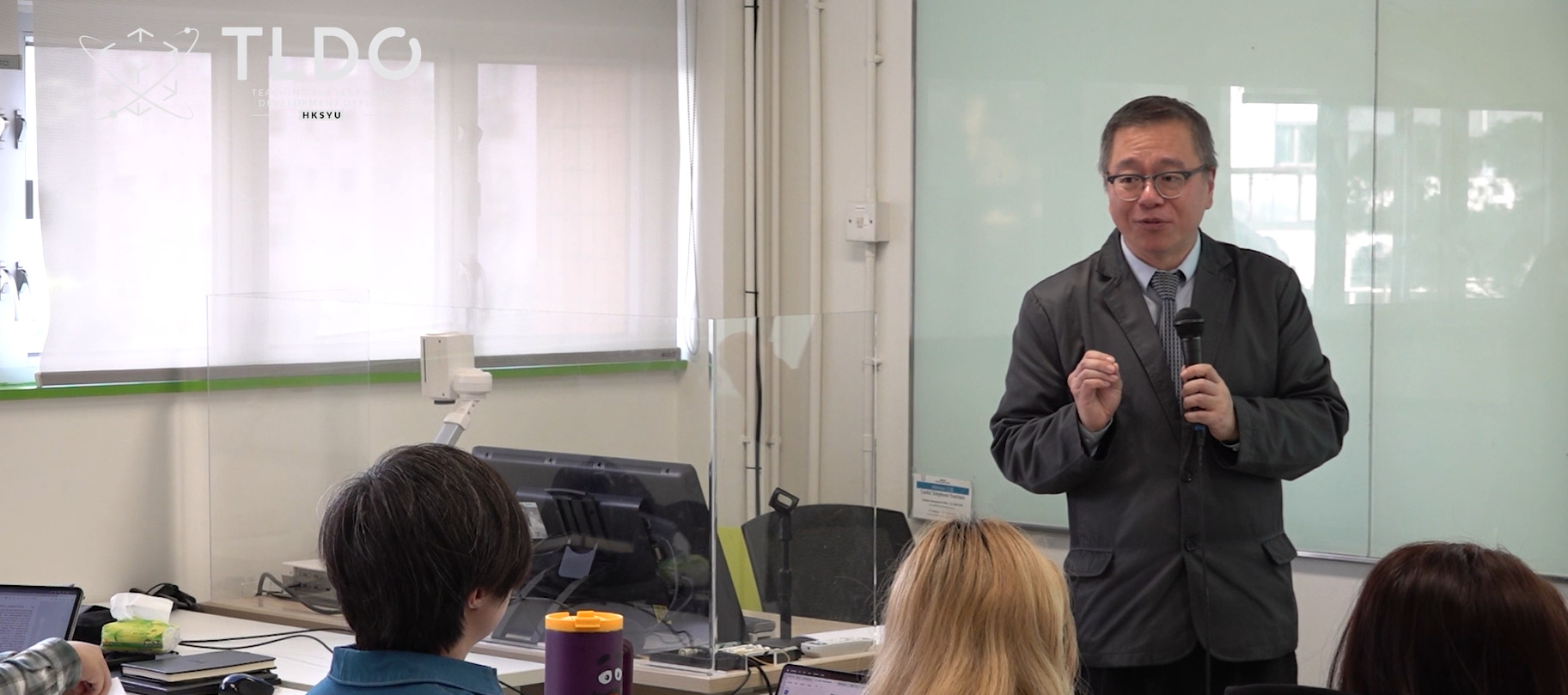
Dr. HO, Kin-Hon Roy Department of Business Administration Dr. Ho enhances the quality of education through innovative teaching methods. By shifting from traditional lectures to interactive and experiential learning, he incorporates simulations, boot camps, competitions, guest talks, and company visits to make lessons more engaging and practical. Dr. Ho consistently links course content with real-life applications by integrating current technology trends, real-world projects, and industry-related examples into his teaching.
Dr. Ho fosters an open and supportive learning environment by using instant messaging platforms such as WhatsApp and WeChat to improve communication with students. This approach encourages dialogue, builds trust, and helps students feel comfortable seeking guidance.
One notable aspect of his classes is his leadership in guiding students through a digital entrepreneurship competition. By mentoring them from idea development to the final event, he demonstrated strong commitment and passion for education, taking pride in students’ growth, confidence, and success.
|
|
|
|
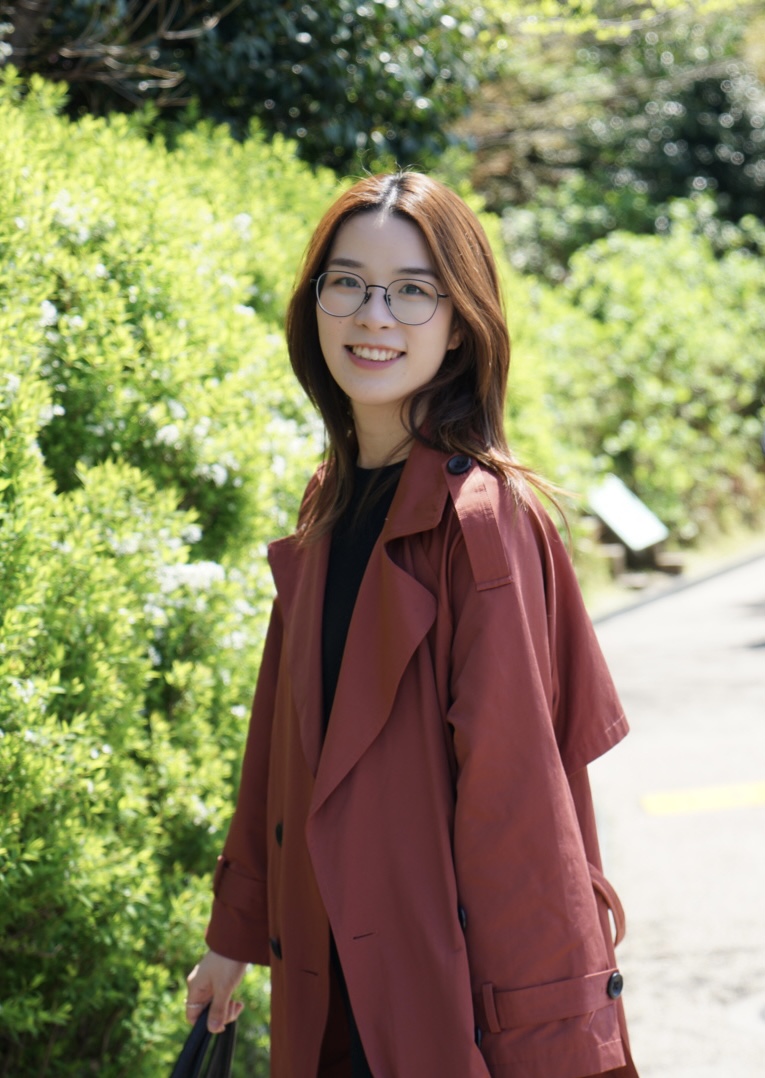
Dr. CAI, Shengdan Department of Sociology Dr. Cai adopts a student-centered, innovative, and interdisciplinary teaching approach designed to support learners from diverse academic backgrounds. Dr. Cai’s teaching strategy focuses on bridging theory and practice by combining sociological concepts with emerging digital technologies. Teaching methods include interactive lectures, hands-on activities, debates, simulations, and role-play, supported by educational technologies such as quick polls, blockchain simulators, AI-generated scenarios, Padlet, and Mentimeter.
Dr. Cai fosters inclusive participation, mutual peer learning, and critical awareness of how technology and society shape one another, embodying innovative and interdisciplinary teaching methods. In modules such as “Artificial Intelligence and Work” and “Web3 and Decentralization”, students analyze technology through ethical, cultural, and regulatory lenses while also engaging with technical tools. Real-world platforms like Instagram and Duolingo are used to link theory with everyday experiences, while structured debates and role-play activities encourage critical thinking and collaboration.
|
|
|
2023/24 Teaching Excellence Award Winner
|
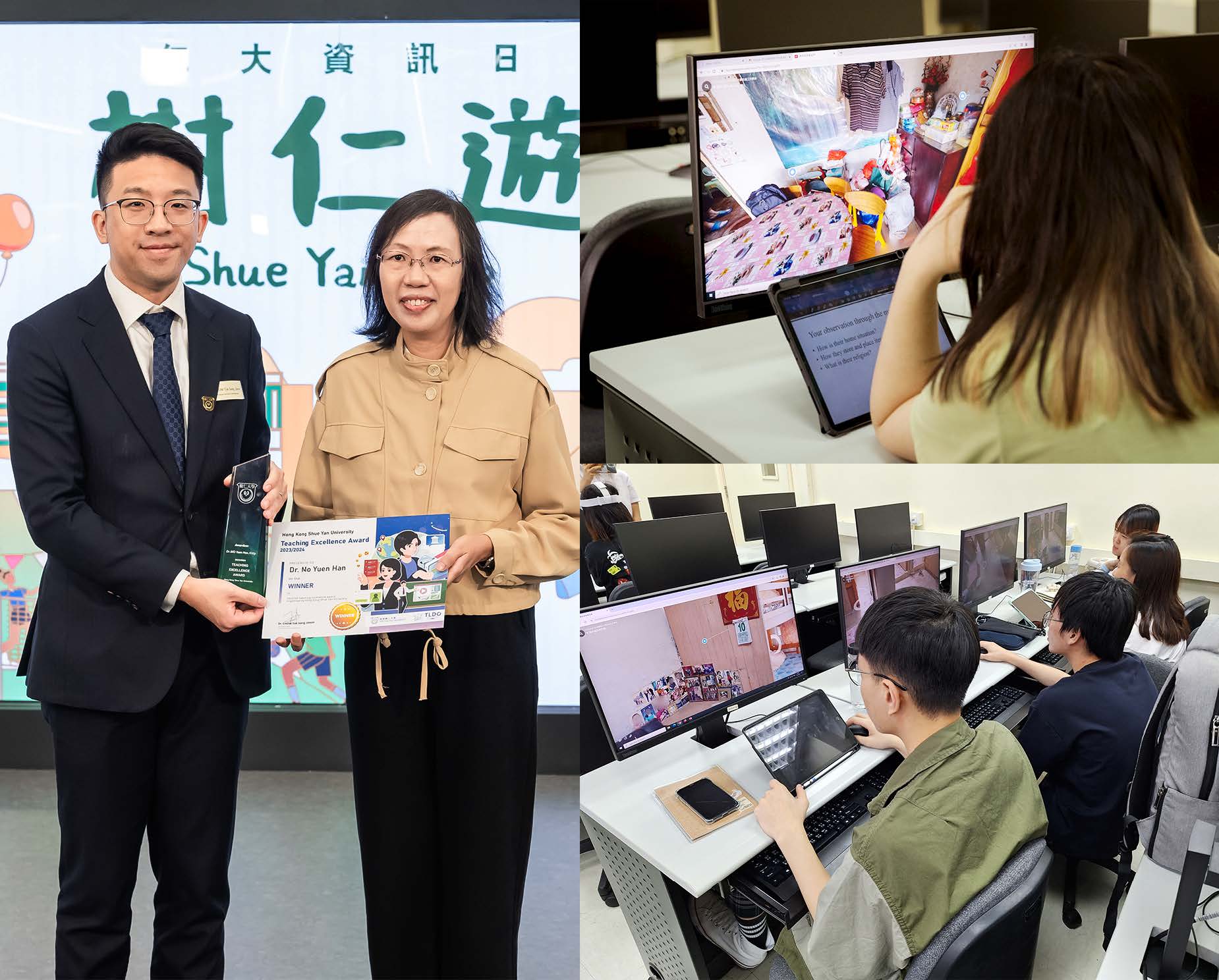
Dr. MO Yuen Han Department of Social Work Dr. Mo enhances social work education through VR and metaverse technologies. She creates virtual home environments using Matterport scans of real senior apartments, allowing students to access these spaces via iPads or VR headsets. Her classes utilize Spatial metaverse platforms to explore living spaces like "David's home," where students analyze environmental impacts on elderly health through virtual tours. After these explorations, students practice client interviews through real-time phone roleplays with volunteers.
Dr. Mo also develops interactive procedural games in CoSpaces Edu that simulate processes such as sheltered workshop admissions and elderly hostel applications. These web-based games enable students to learn procedures through play, followed by quiz-style discussions.
Her methods shift learning from passive lectures to active problem-solving - students must identify toilet dangers in VR homes and propose safety modifications. As departmental IT coordinator, Dr. Mo also mentors colleagues in adopting these tools, conducting workshops on metavers. Her approach proves digital tools can deepen social workers' environmental analysis skills while maintaining human-centred pedagogy. |
|
|
2023/24 Outstanding Teaching Showcase
|
Dr. DOS SANTOS, Luis Miguel Department of Counselling and Psychology Dr. Dos Santos uses a student-centered flipped classroom approach, integrating technology to engage learners. Pre-class materials, including videos, digital readings, and recorded lectures, are available online, allowing students to study at their own pace. Class time focuses on interactive, tech-supported activities where students act as peer instructors. Counselling students practice client communication through role-play, while psychology students apply theories to projects like analyzing career transition data. Digital platforms like Moodle support multimedia submissions, such as photo assignments illustrating social cognitive theory. This method fosters a lively, game-based environment that builds practical skills and keeps students engaged. By blending digital tools, game-based learning, and peer teaching, Dr. Dos Santos prepares students to become confident communicators ready for professional challenges.
|
|
|
|
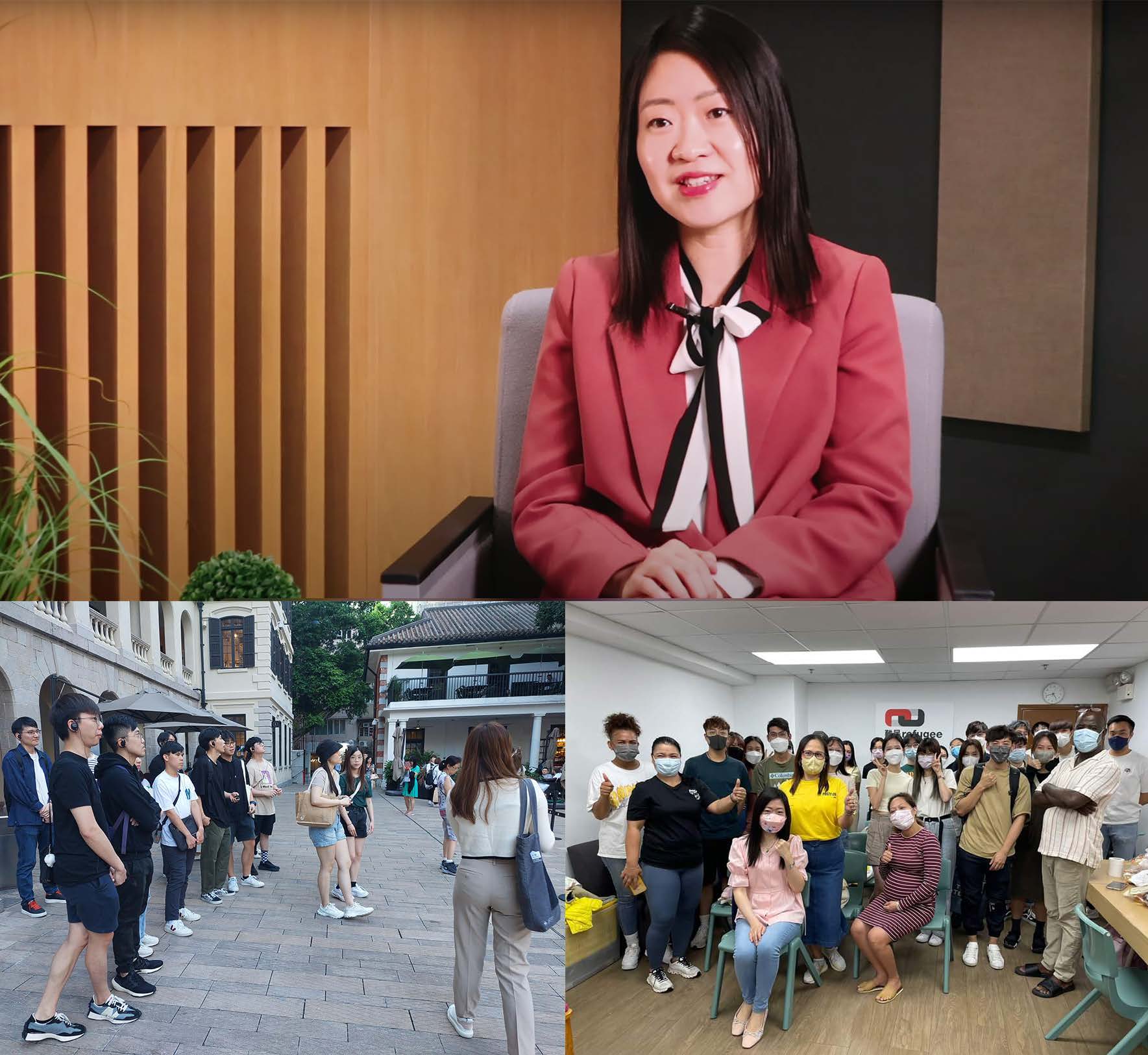
Dr. MAN, Pui-Kwan Mikayla Department of Sociology Dr. Man reshapes classroom learning through experiential methods, taking students on field trips to historic sites like Central Market and PMQ to analyze real-world social impacts. She develops case studies where Sociology, Chinese, and Journalism students collaborate, integrating perspectives in tutorial discussions to assess cultural preservation and policy effects. Her courses emphasize practical projects, requiring students to collect field data and submit reflective group reports via Moodle. By replacing traditional lectures with site visits and cross-departmental collaboration, students connect theories to Hong Kong’s social context. Dr. Man’s approach extends learning beyond the classroom, leveraging the city’s urban environment as a living textbook and laboratory to build professional analytical skills.
|
|
|
|
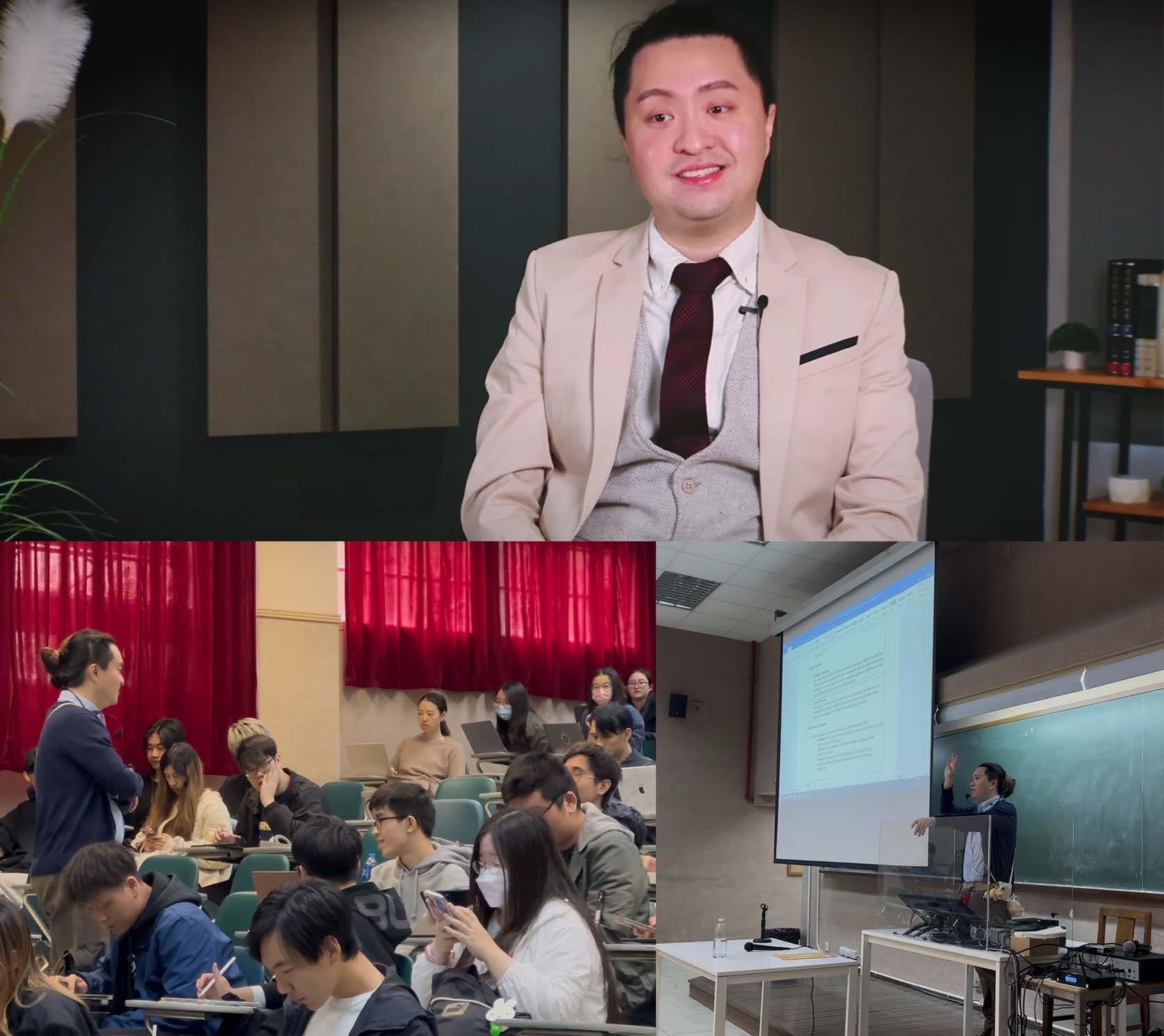
Dr. TONG, Ka-Ho Adrian Department of Counselling and Psychology Dr. Tong enhances counselling education through interactive methods that foster professional identity. He uses a bottom-up approach, encouraging students to brainstorm answers collaboratively rather than relying on lectures. He utilizes ChatGPT-generated therapy dialogues, prompting students to analyze these AI-created counselling sessions by identifying strengths, weaknesses, and strategies for improvement. This encourages students to evaluate communication techniques and reflect on their emotional responses.
Through movie scene reenactments, students practice interpreting verbal and non-verbal cues. By modeling counselling psychologist behaviors during lectures, Dr. Tong guides students to view themselves as professionals. Students also engage in role-playing exercises and request extra consultations to refine their skills. Feedback indicates increased career motivation, with learners developing resilience and self-awareness regarding their counselling abilities. These methods help students connect theory to practice while cultivating professional confidence.
|
|
|
|
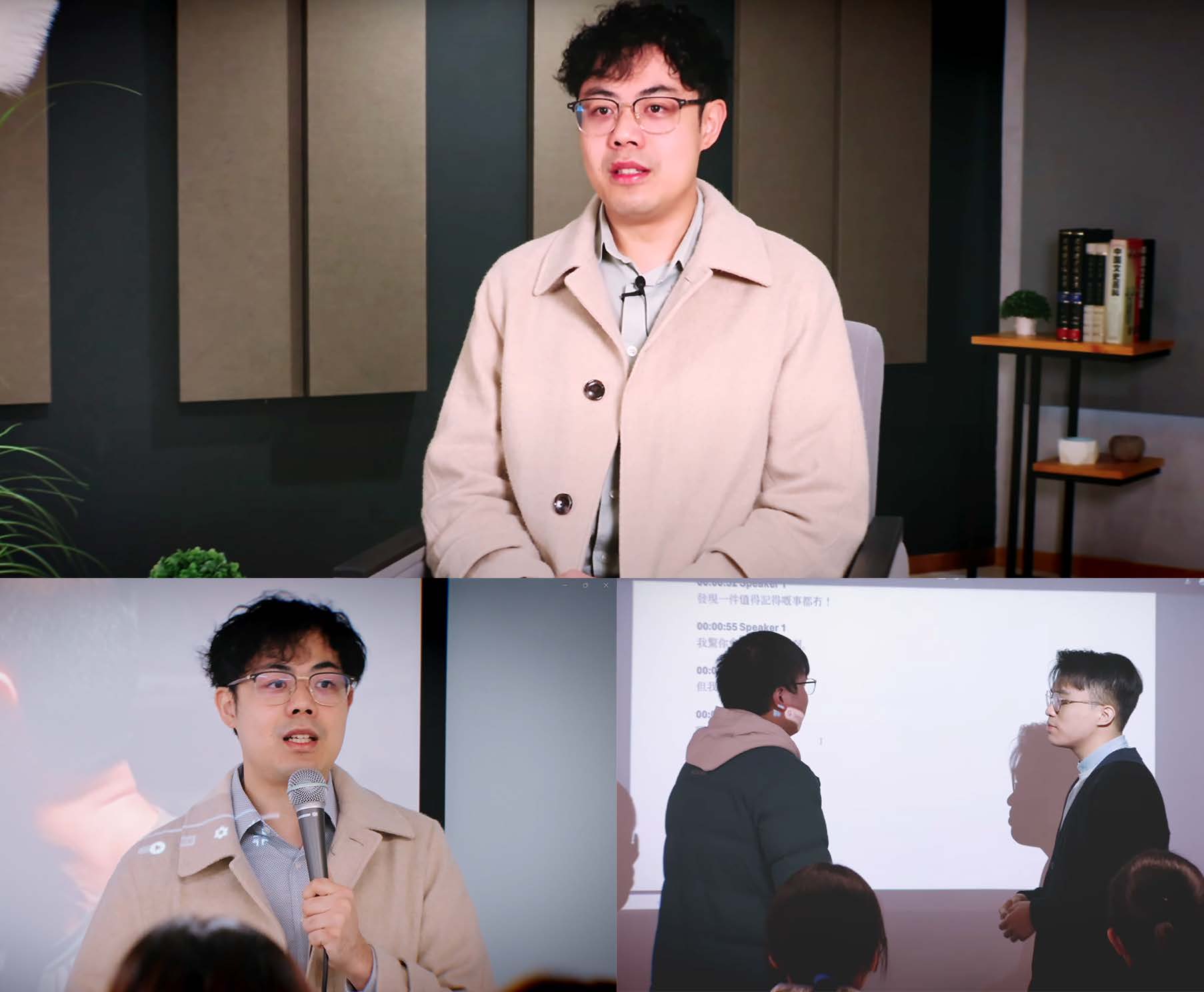
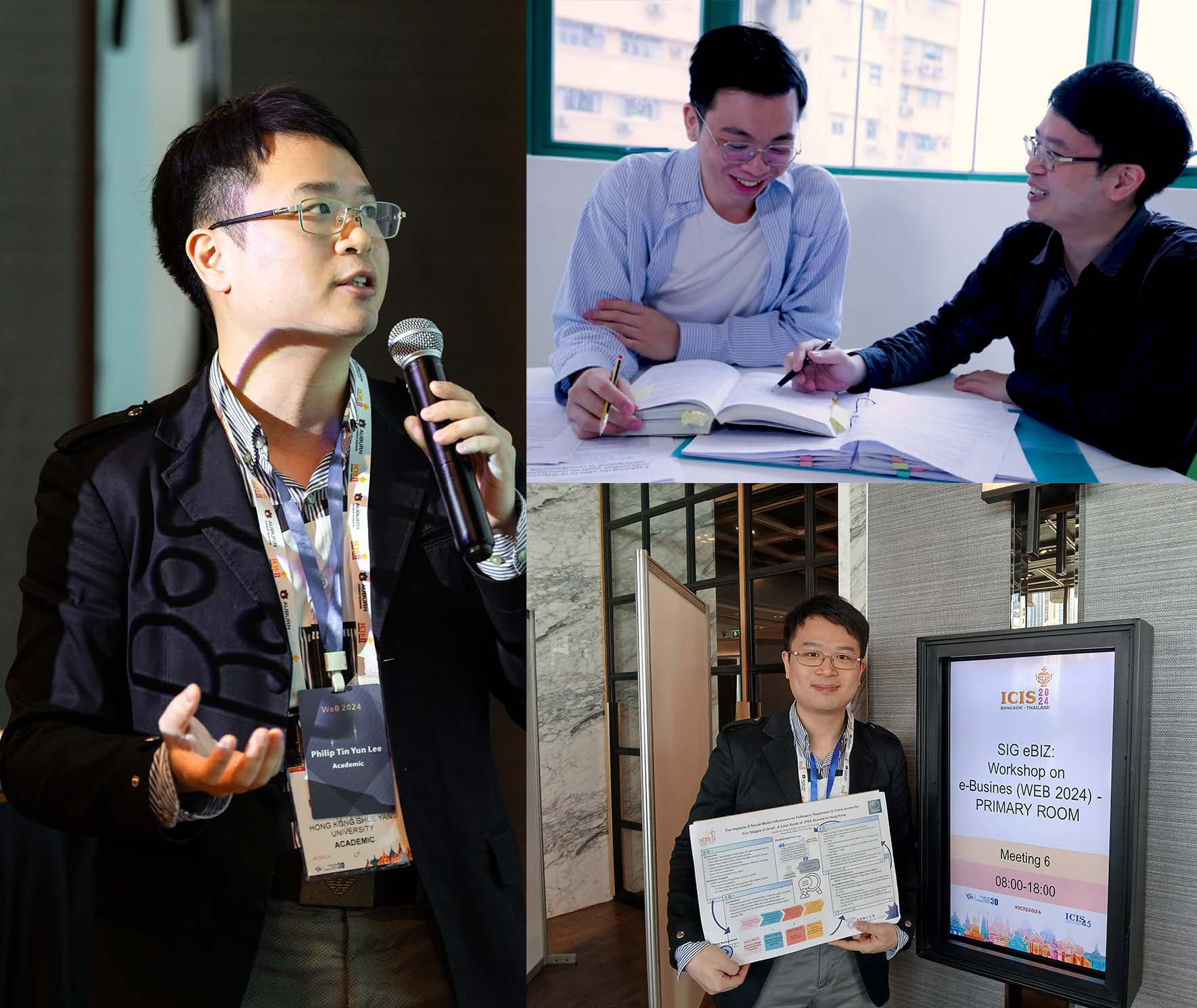
Dr. LEE Tin Yun, Philip Department of Economics and Finance Dr. Lee advances interdisciplinary research training in his Financial Technology Honours Project course by integrating AI-assisted methods. He teaches students to use ChatGPT to brainstorm ideas that connect FinTech with fields such as crisis communication. Students practice crafting prompts to uncover new research perspectives, like examining the roles of social media influencers in financial scandals. By blending AI tools with traditional mentoring, Dr. Lee enables students to identify research gaps efficiently while maintaining academic standards. His approach addresses the challenge of developing interdisciplinary honours projects, leading to both strong grades and notable research outcomes. This strategy demonstrates how targeted technology use can elevate undergraduate research beyond standard curricula, preparing students for complex challenges at the intersection of technology and society.
|
|
|
2022/23 Teaching Excellence Award Winner
|
Dr. Yang Yike Department of Chinese Language and Literature The award-winning course 'Digital Technologies in Teaching' was developed as an elective for the education concentrations in Chinese, English, and history at Hong Kong Shue Yan University (SYU). The primary objective of this course is to introduce students to new technologies used in education and provide them with the opportunity to explore how to incorporate these technologies into their teaching practices. The course covers various areas such as learning management systems, extended reality (XR), geographic information systems (GIS), and 3D printing.
Led by Dr. Yang Yike, the course places a strong emphasis on training students to integrate digital technology into pedagogy effectively. Dr. Yang employs innovative teaching methods that encourage hands-on learning experiences for the students. One notable aspect of the course is that students are given the opportunity to create their own Open Educational Resources (OERs), allowing them to apply the knowledge and skills they have acquired throughout the course. |
|
|

Application
Head of department wishing to nominate teachers for the award must complete and submit the online nomination form before the deadline. For the nomination of teachers by students, two full-time students who completed the course taught by the teacher during the current academic year are required to provide the nomination. Each student can nominate only one teacher. It is important to note that any nomination must be made with the nominee's consent. Each nominee is required to complete an online nomination form before the deadline. The TLD Office will contact nominated teachers to supply their teaching statement.
Deadline for application and nomination in 2025/26 academic year: 24th July, 2026
2025/26 Teaching Excellence Award online nomination form for HoD